
Ali Khamenei’s Funeral
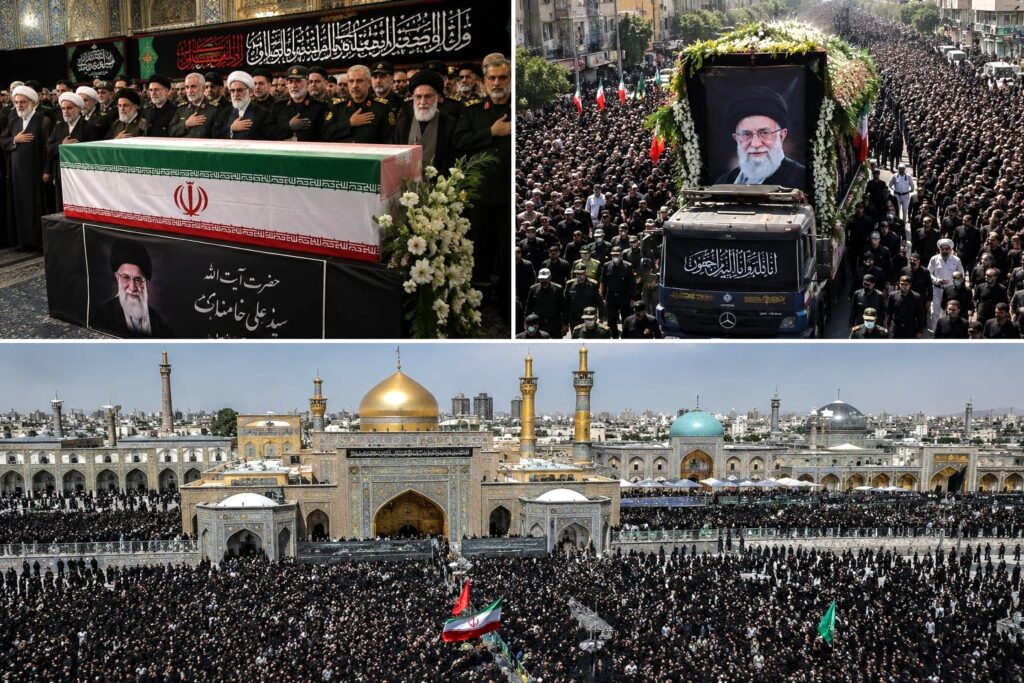
Iran has officially begun the funeral ceremonies for its late Supreme Leader, Ayatollah Ali Khamenei, in what is being described as one of the country’s largest and most significant state funerals in modern history. Millions of mourners are expected to participate throughout the week-long ceremonies, while world leaders, diplomats, and religious representatives closely monitor the historic event.
The funeral ceremonies officially started on July 3 and are scheduled to continue until July 9, with memorial events taking place across Tehran, Qom, Najaf, Karbala, and finally Mashhad, where Khamenei will be laid to rest at the Imam Reza Shrine. Ali Khamenei’s Funeral .
Massive Public Gathering in Tehran
Ali Khamenei’s Funeral .Thousands of Iranians gathered in Tehran to pay their final respects as the late leader’s coffin was placed for public viewing. Citizens, senior government officials, military commanders, and religious scholars attended the ceremony, while black banners and portraits of Khamenei covered major streets across the capital.
Authorities have deployed extensive security forces throughout the city to manage the expected influx of millions of mourners and visiting dignitaries. Ali Khamenei’s Funeral .
International Leaders Watching Closely
Ali Khamenei’s Funeral .The funeral has attracted worldwide attention due to Khamenei’s decades-long influence on regional and global politics. Representatives from several countries, including China, Russia, Iraq, Pakistan, and other nations, are expected to participate in official memorial ceremonies. Political analysts believe the funeral marks a significant turning point for Iran, the country enters a new phase of leadership that could influence Middle eastern politics for years to come. news sourcehttps://www.bbc.com/news/articles/
Funeral Route and Burial
Ali Khamenei’s Funeral . According to Iranian officials, the funeral procession will travel through several important religious cities before concluding in Mashhad. The final burial is scheduled to take place at the Imam Reza Shrine, one of the holiest sites in Shia Islam. Religious prayers, Quran recitations, and memorial gatherings are being held throughout the week, with millions of people expected to join the ceremonies.
Religious ceremonies play a central role throughout the funeral week. Clerics are leading special prayers, Quran recitations, and memorial gatherings in mosques and public squares. Many participants are wearing black as a symbol of mourning, while families have gathered from across Iran to pay tribute to the country’s longtime leader. The atmosphere is marked by grief, religious devotion, and national remembrance. Ali Khamenei’s Funeral .
Security Measures
Ali Khamenei’s Funeral . Iranian authorities have implemented one of the largest security operations in recent years. Thousands of security personnel, emergency responders, and medical teams have been deployed to ensure public safety during the large-scale gatherings. Traffic restrictions and crowd-control measures remain in effect across several major cities.
Global Media Coverage
International news organizations continue to provide live coverage of the funeral proceedings. Television networks, newspapers, and digital media platforms are reporting developments around the clock, while social media remains flooded with videos, photographs, and tributes from around the world.Ali Khamenei’s Funeral .
Political Significance
Observers believe the funeral is more than a national ceremony—it represents a major political transition for Iran. Governments worldwide are closely watching the country’s next steps, as future leadership decisions could have a lasting impact on regional stability and international relations.
Political analysts believe that the funeral also marks a turning point in Iran’s future. The transition of leadership, the country’s domestic political situation, and its future relations with regional and global powers are being closely watched by governments around the world. Many experts believe that decisions made in the coming weeks could influence Middle Eastern politics for years to come. Ali Khamenei’s Funeral .
Ali Khamenei: A Brief History of Iran’s Longtime Supreme Leader
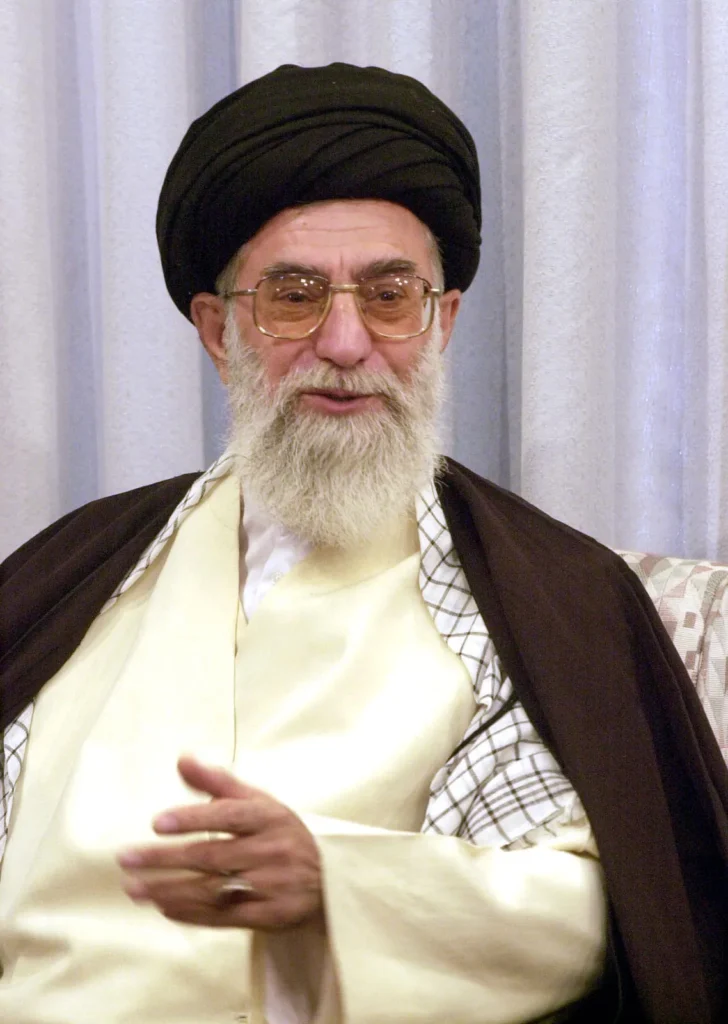
Ayatollah Ali Khamenei was one of the most influential political and religious figures in modern Middle Eastern history. He served as the Supreme Leader of Iran from 1989 until 2026, making him the country’s longest-serving leader after the founder of the Islamic Republic, Ayatollah Ruhollah Khomeini.
During his decades in power, Khamenei played a central role in shaping Iran’s domestic politics, foreign policy, and regional influence. Ali Khamenei was born on April 19, 1939, in Mashhad, a major religious city in northeastern Iran. He came from a modest religious family and began studying Islamic theology at an early age. Later, he continued his religious education in the city of Qom, where he became a student of Ayatollah Ruhollah Khomeini, who would later lead the Iranian Revolution.
During the 1960s and 1970s
Khamenei became politically active against the rule of Shah Mohammad Reza Pahlavi. Because of his opposition to the monarchy, he was arrested several times and spent periods in prison and internal exile. His speeches and religious teachings helped spread revolutionary ideas before the 1979 Iranian Revolution, which overthrew the Shah and established the Islamic Republic of Iran. After the revolution, Khamenei quickly rose through the ranks of the new government. In 1981, he survived an assassination attempt that seriously injured his right arm, leaving it permanently weakened. The same year, he was elected as the third President of Iran and served until 1989 during the difficult years of the Iran-Iraq War.
death of Ayatollah Khamenei in 1989
Iran’s Assembly of Experts selected Ali Khamenei as the country’s new Supreme Leader. In this position, he became the highest authority in Iran, overseeing the armed forces, judiciary, state broadcasting, and major national policies. His office held significant influence over both domestic governance and foreign affairs.
Throughout his leadership, Khamenei emphasized Iran’s independence from foreign influence and strongly opposed the policies of the United States and Israel. Under his leadership, Iran expanded its regional influence by supporting allied groups and governments across the Middle East. At the same time, his government faced international sanctions, disputes over Iran’s nuclear program, and criticism from Western countries regarding human rights and political freedoms.
Defender of the Islamic Republic
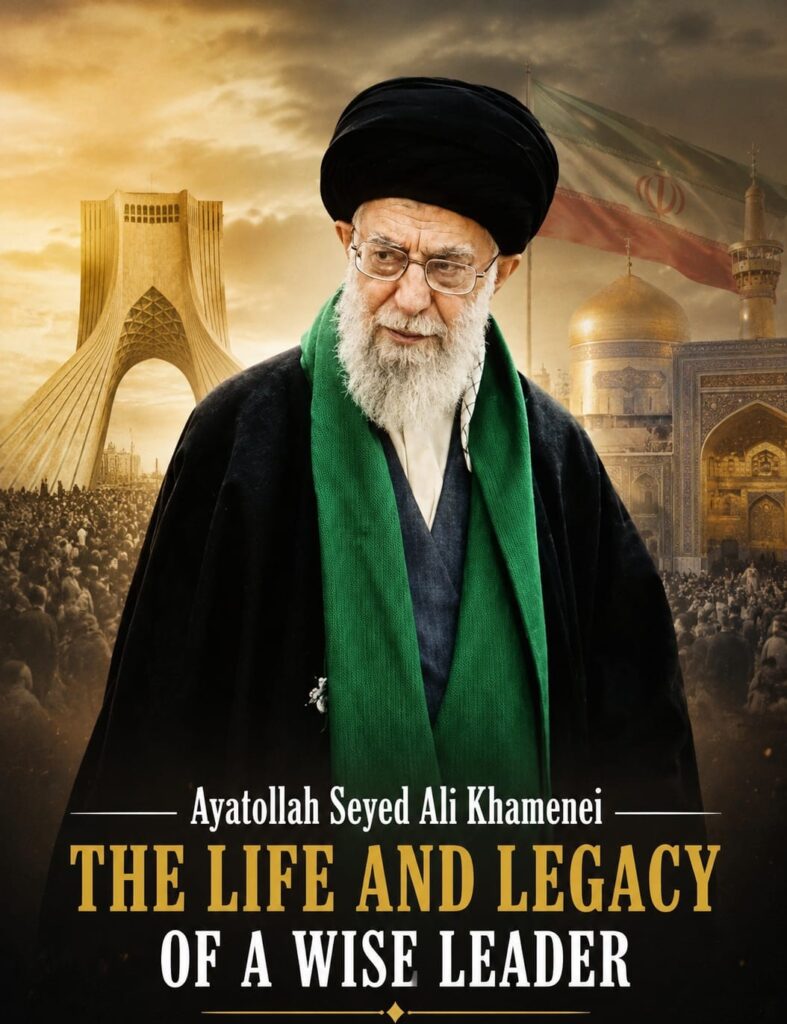
Inside Iran, Khamenei remained a highly influential but also controversial leader. Supporters viewed him as a defender of the Islamic Republic and Iran’s sovereignty, while critics accused his government of restricting political freedoms and suppressing protests. Several major demonstrations during his rule, including those in 2009 and 2022, drew widespread international attention. Khamenei was also known for his interest in Islamic scholarship, Persian literature, and poetry. Over the years, he published books and delivered numerous speeches on religion, politics, and culture. Despite his public responsibilities, he continued to present himself as a religious scholar throughout his leadership.
In February 2026, Ali Khamenei died during the Iran conflict, ending more than three decades as Iran’s Supreme Leader. His death marked a major turning point in Iranian politics and attracted worldwide attention. Funeral ceremonies held in July 2026 drew millions of mourners and were widely covered by international media.
Ali Khamenei’s legacy remains the subject of intense debate. To supporters, he symbolized resistance, religious leadership, and national independence. To critics, his rule represented political repression and prolonged tensions with the West. Regardless of differing views, historians widely agree that he was one of the most influential figures in Iran’s contemporary history, leaving a lasting impact on the country’s political system and on Middle Eastern affairs.
Conclusion
The funeral of Ayatollah Ali Khamenei has become one of the most significant global news events of 2026. As millions continue to pay their respects, the ceremonies symbolize both the end of an era and the beginning of a new chapter in Iran’s political and religious history.
Permalink: https://newsrj21.com/ali-khameneis-funeral-draws-global-attention-as-iran-begins-historic-farewell/