
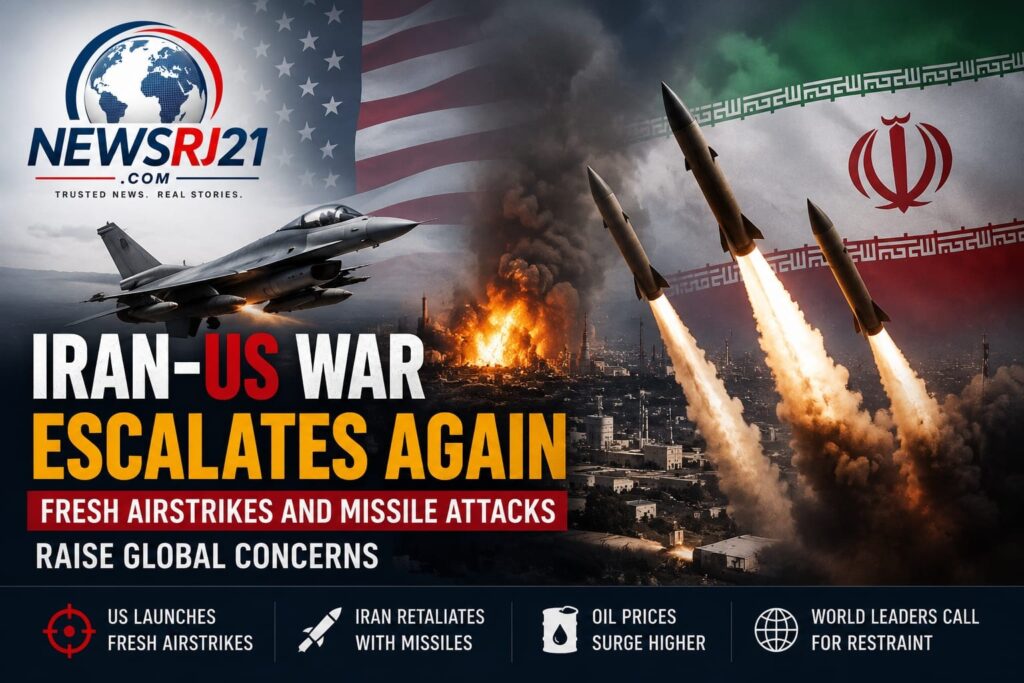
Iran-US War Escalates Again. The Middle East is once again at the center of global attention after fresh military action between Iran and the United States. On 13 July 2026, both countries exchanged new attacks, increasing concerns that the conflict could spread further across the region. Although officials from both sides have defended their actions, world leaders are urging restraint to prevent the situation from escalating into a larger war.
The latest developments have also drawn attention because they involve the Strait of Hormuz, one of the world’s most important shipping routes for crude oil. As tensions rise, governments, businesses, and financial markets are closely watching every new update.
What Happened Between Iran and the US Today?
Iran-US War Escalates Again. According to the latest reports, the United States carried out a fresh round of airstrikes targeting Iranian military sites. American officials said the operation was aimed at facilities linked to missile launches, drone operations, and activities that could threaten international shipping in the Gulf region.
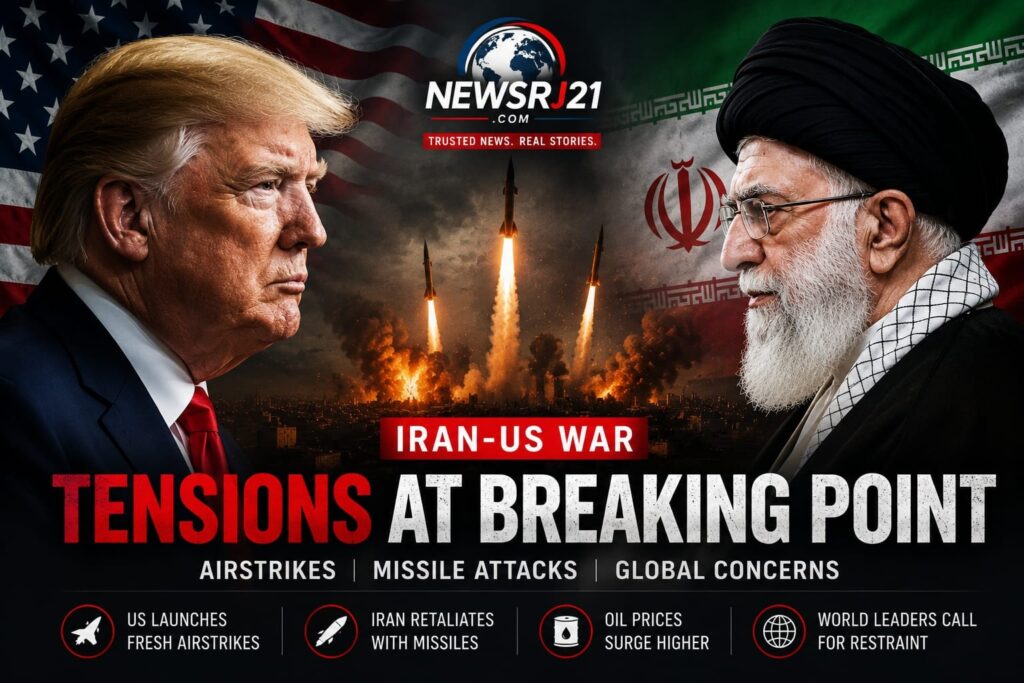
Iran responded by launching missiles and drones toward locations where US forces are stationed in several Gulf countries. Iranian authorities described the strikes as a response to the American operation and warned that further military action could lead to additional retaliation.
While both countries continue to defend their military decisions, the exchange has significantly increased tensions across the Middle East.
Why Did the United States Launch Airstrikes?
Iran-US War Escalates Again. US officials stated that the strikes were intended to reduce potential threats against American personnel and protect international shipping routes. They also said the operation targeted military infrastructure rather than civilian areas.
US Military’s Statement
Iran-US War Escalates Again. According to American defense officials, the airstrikes focused on facilities believed to support missile systems, drone operations, and military logistics. The Pentagon said the objective was to prevent future attacks against US forces and commercial vessels.
Targets of the Airstrikes
Reports indicate that several military-related locations were targeted during the operation. Independent verification of the full extent of the damage is still ongoing, and official assessments may change as more information becomes available. source BBC news
How Did Iran Respond?
Iran-US War Escalates Again. Iran reacted within hours by launching missiles and drones toward areas where American forces are present in the Gulf region. Officials in Tehran described the action as a defensive response and warned that further attacks could follow if the United States continues military operations.
Missile and Drone Attacks
Security officials in the region reported multiple missile and drone launches. Some attacks were intercepted by air defense systems, while authorities continue to assess the impact of others.
Iran’s Official Response
Iranian leaders said the country would continue to defend its national interests. At the same time, they warned that any additional military action by the United States could result in a stronger response. Iran-US War Escalates Again. Sources: CNNNEWS
Why Is the Strait of Hormuz So Important?
The Strait of Hormuz is one of the world’s busiest energy corridors. A significant share of global crude oil exports passes through this narrow waterway every day. Iran-US War Escalates Again.
Impact on Global Oil Supply
Any disruption in this region can quickly affect oil shipments, increase transportation costs, and push energy prices higher around the world. Iran-US War Escalates Again.
Effect on International Trade
Beyond oil, the Strait is also important for international trade. Prolonged instability could affect shipping schedules and increase uncertainty in global markets. Several countries have called for restraint and urged both Iran and the United States to return to diplomatic discussions. The United Nations has also expressed concern over the growing tensions. UN officials have appealed for dialogue, warning that continued military escalation could threaten regional stability. Iran-US War Escalates Again.
Sources: Newsrj21.com
Reactions from Other Countries
Governments across Europe, Asia, and the Middle East are monitoring the situation closely. Many have advised their citizens to remain cautious while traveling in affected areas. Financial markets reacted quickly to the latest developments. Oil prices moved higher as investors assessed the possibility of supply disruptions, while analysts warned that a prolonged conflict could affect inflation and global economic growth.
What Could Happen Next?
The coming days are expected to be critical. Military analysts believe the situation could either move toward further escalation or return to diplomatic negotiations. At this stage, no outcome is certain, and developments will depend on decisions made by both governments.
Conclusion
The latest exchange of military action between Iran and the United States has once again highlighted the fragile security situation in the Middle East. As the conflict continues to evolve, the international community is calling for restraint and diplomacy. For now, the world remains focused on every new development, hoping that tensions can be reduced before the crisis grows even larger.