
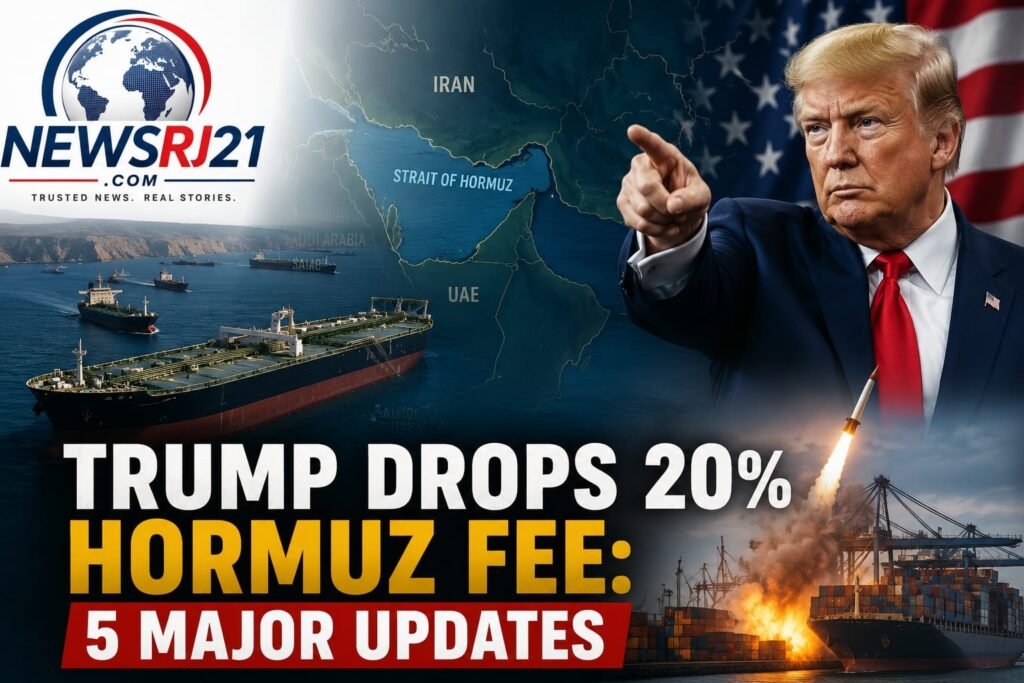
Trump Drops 20% Hormuz Fee. In a surprising policy change, U.S. President Donald Trump has withdrawn his proposal to introduce a 20% fee on commercial cargo passing through the Strait of Hormuz. The decision came shortly after the idea was announced and signals a shift in Washington’s approach toward one of the world’s most important maritime routes.
Instead of moving forward with the proposed transit charge, the administration now says it wants to strengthen economic partnerships with Gulf nations through trade and investment. The announcement arrives while military tensions between the United States and Iran continue to dominate international headlines, keeping governments and financial markets on alert. News Sources: cnn.com
Trump Cancels the Proposed Hormuz Fee
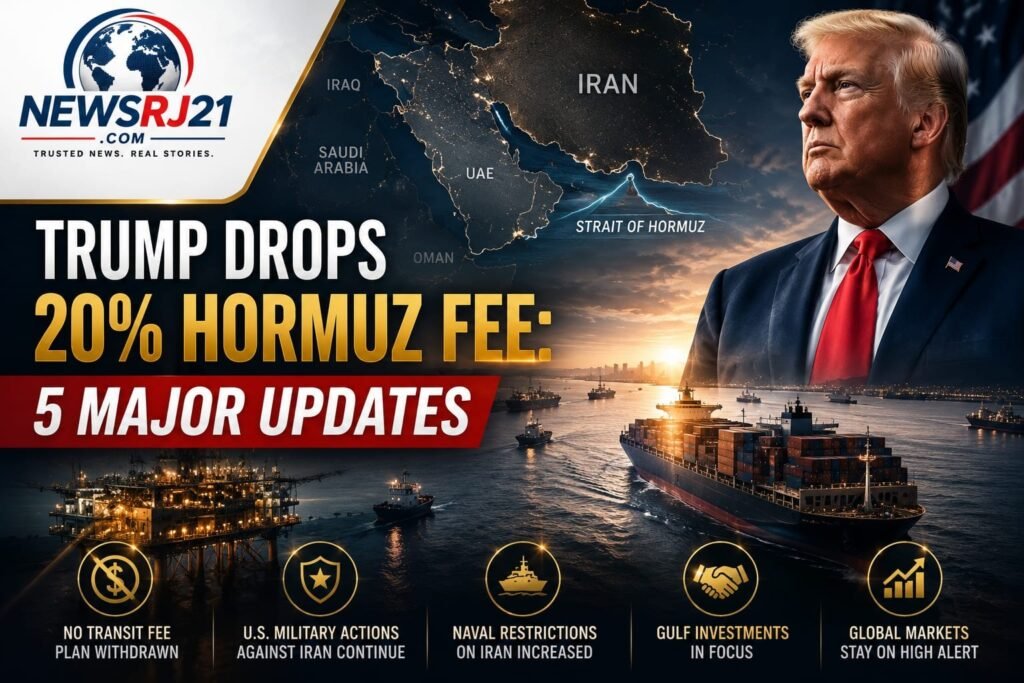
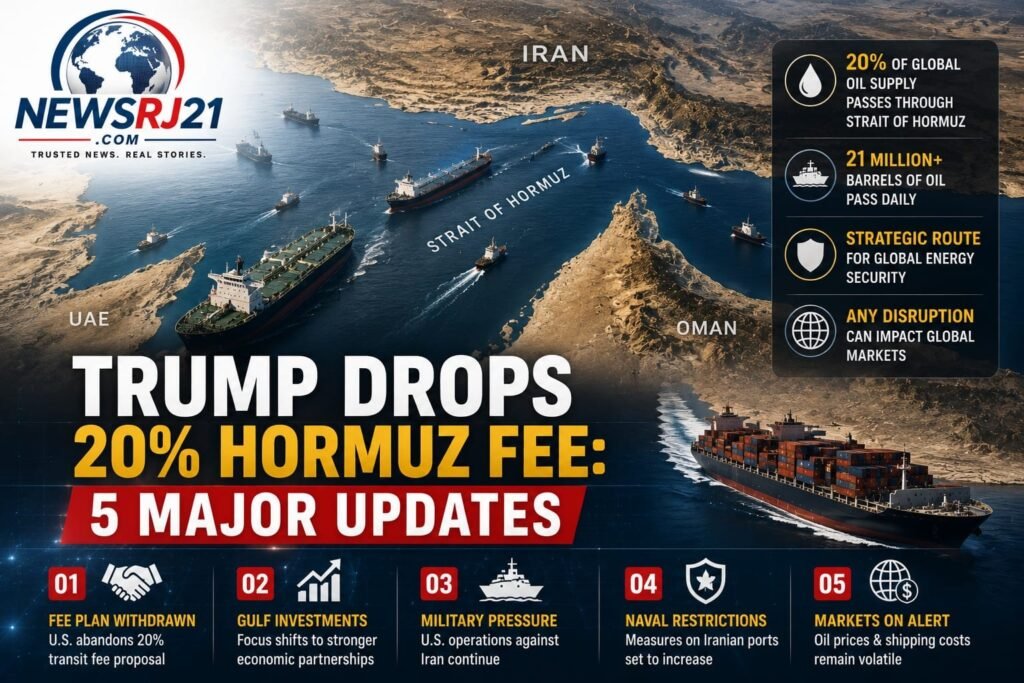
The White House has decided not to move ahead with the planned 20% charge on cargo ships using the Strait of Hormuz.
The proposal had been presented as a way to help cover the cost of protecting one of the busiest shipping corridors in the world. However, the administration later concluded that expanding economic cooperation with Gulf countries would be a more effective long-term strategy. Trump Drops 20% Hormuz Fee. News Sources: BBC.com
Focus Shifts Towards Gulf Investment
Following the policy reversal, President Trump stated that future trade and investment from Gulf nations could provide greater economic benefits than collecting transit fees from international shipping companies. Trump Drops 20% Hormuz Fee.
Although specific agreements have not yet been announced, the administration expects stronger business ties to support long-term economic growth while reinforcing relationships with regional partners.
Military Pressure on Iran Continues
While the shipping fee proposal has been dropped, U.S. military operations in the region continue.
American officials say recent actions are intended to reduce threats against commercial shipping and regional security. At the same time, Washington is increasing pressure on Tehran through additional naval operations and other strategic measures. Trump Drops 20% Hormuz Fee.
Iran, meanwhile, continues to criticize the American approach and has accused the United States of increasing regional instability. News Sources: BBC.com
Why the Strait of Hormuz Matters
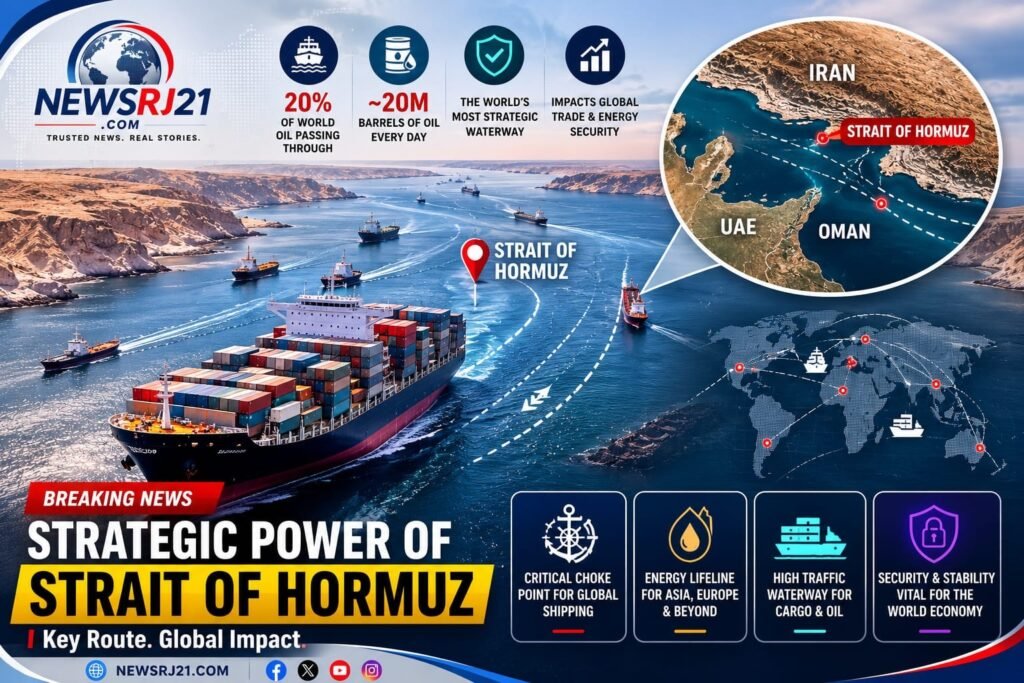
The Strait of Hormuz remains one of the world’s most important energy routes.
A significant share of global crude oil and liquefied natural gas exports travels through this narrow waterway every day. Because of its importance, any military confrontation or disruption in the area can influence fuel prices, shipping costs, and international trade within a short period.
For this reason, governments and businesses around the world continue monitoring developments in the region very closely. Trump Drops 20% Hormuz Fee.
Global Markets Watch Every New Development
Although the proposed transit fee has been withdrawn, uncertainty has not disappeared.
Energy traders, shipping companies, and investors remain cautious as military tensions continue between the United States and Iran. Any escalation could affect oil supplies, transportation costs, and the broader global economy. Trump Drops 20% Hormuz Fee.
Analysts believe that stability in the Strait of Hormuz will remain one of the most important factors influencing international energy markets in the coming weeks.
The situation remains highly dynamic
The United States is expected to continue strengthening its security presence in the region, while Iran is likely to maintain its opposition to American military activities. Meanwhile, global markets will closely follow every new announcement that could influence shipping through the Strait of Hormuz.
Whether future developments lead to greater stability or renewed confrontation will depend on diplomatic efforts as well as decisions made by both governments. Trump Drops 20% Hormuz Fee.
Conclusion
President Trump’s decision to withdraw the proposed 20% Hormuz transit fee represents an important policy shift, replacing a financial measure with a stronger emphasis on economic partnerships and regional investment. However, despite this change, tensions between Washington and Tehran remain unresolved. As military operations continue and global energy markets respond to every new development, the Strait of Hormuz is expected to remain at the center of international attention in the days ahead. Also Read: Newsrj21