
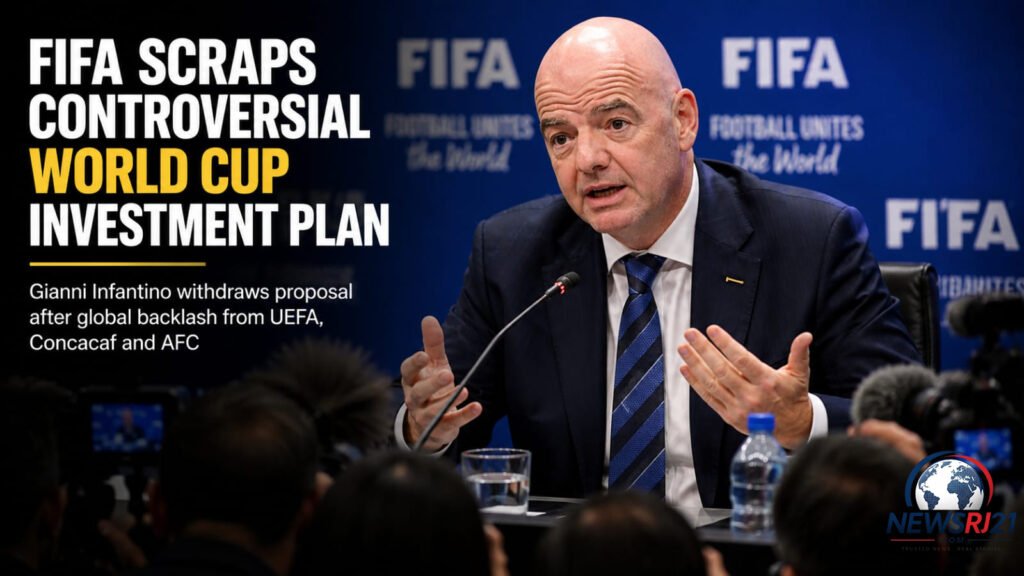
FIFA has officially abandoned its controversial World Cup investment plan after facing widespread opposition from football governing bodies across the globe. The proposal, which would have allowed private investors to buy minority stakes in FIFA’s commercial operations, triggered strong criticism from UEFA, Concacaf, and the Asian Football Confederation, forcing President Gianni Infantino to withdraw the plan. FIFA Scraps Controversial World Cup Investment Plan After Global Backlash.
The decision marks a major setback for Infantino ahead of his re-election bid and highlights growing concerns over the future governance and commercial direction of world football.
Why Did FIFA Scrap the Investment Plan?
FIFA withdrew its proposed investment plan after facing overwhelming resistance from several of football’s most influential governing bodies. UEFA, Concacaf, and the Asian Football Confederation (AFC) argued that introducing private investment into FIFA’s commercial operations could undermine the sport’s long-term governance and reduce the influence of member associations over major competitions.
The proposal quickly became one of the most divisive issues in international football. UEFA even warned it could boycott future World Cups if the plan moved forward, while other confederations publicly backed calls for greater consultation and transparency before any major structural changes.
In a statement announcing the decision, FIFA President Gianni Infantino acknowledged that the proposal had created divisions within the global football community. He said the project would not proceed because it was no longer serving its original objective of strengthening the game. FIFA Scraps Controversial World Cup Investment Plan After Global Backlash.
The reversal represents a significant setback for FIFA’s leadership and underscores how united opposition from football’s governing bodies ultimately forced the organization to abandon one of its most ambitious commercial proposals.
What Was Gianni Infantino’s Proposal?
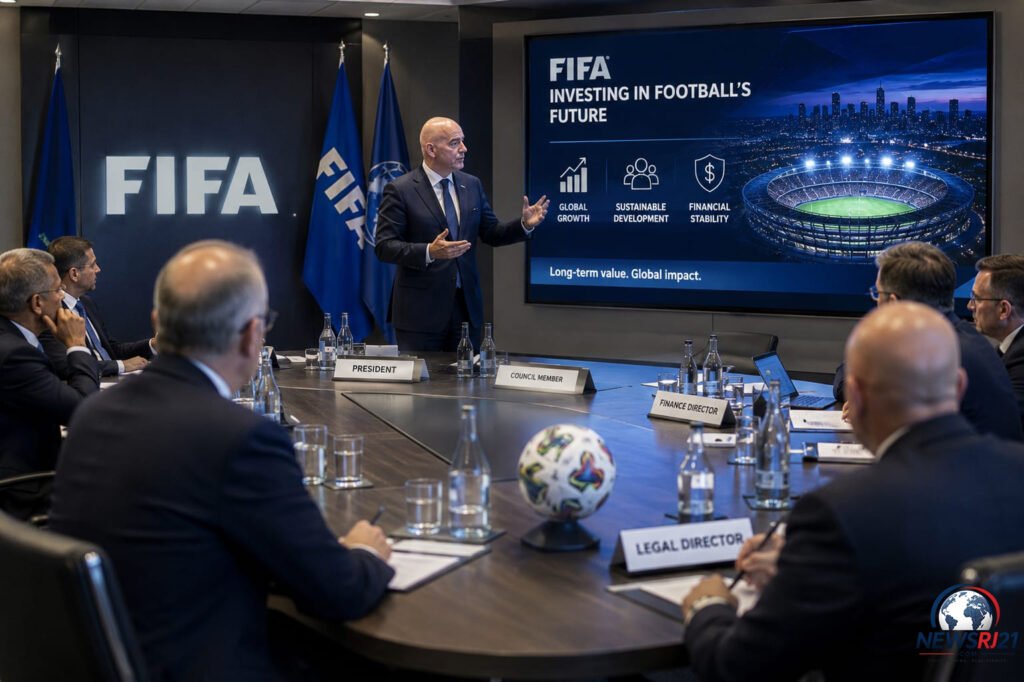
The proposal centered on creating a new commercial subsidiary that would manage FIFA’s biggest tournaments, including the men’s and women’s World Cups. Under the plan, external investors would have been allowed to purchase minority, non-controlling stakes in the business, with FIFA arguing that the move could generate billions of dollars in additional revenue over the coming years.
According to documents shared with member associations, the additional funding was intended to increase financial support for national football federations and help expand the global development of the sport. FIFA also suggested the new structure would unlock commercial opportunities and strengthen the long-term value of its competitions.
However, critics questioned whether bringing private investors into the governing body’s commercial operations could shift the focus away from football’s broader interests. Several football leaders argued that decisions involving the World Cup and other flagship tournaments should remain fully under the control of the global governing body rather than being influenced by outside financial interests. FIFA Scraps Controversial World Cup Investment Plan After Global Backlash.
Although FIFA maintained that investors would not receive controlling power, the proposal sparked concerns about governance, transparency, and the long-term commercial direction of world football, ultimately becoming the center of an international debate.
Why Did Football’s Governing Bodies Oppose the Plan?
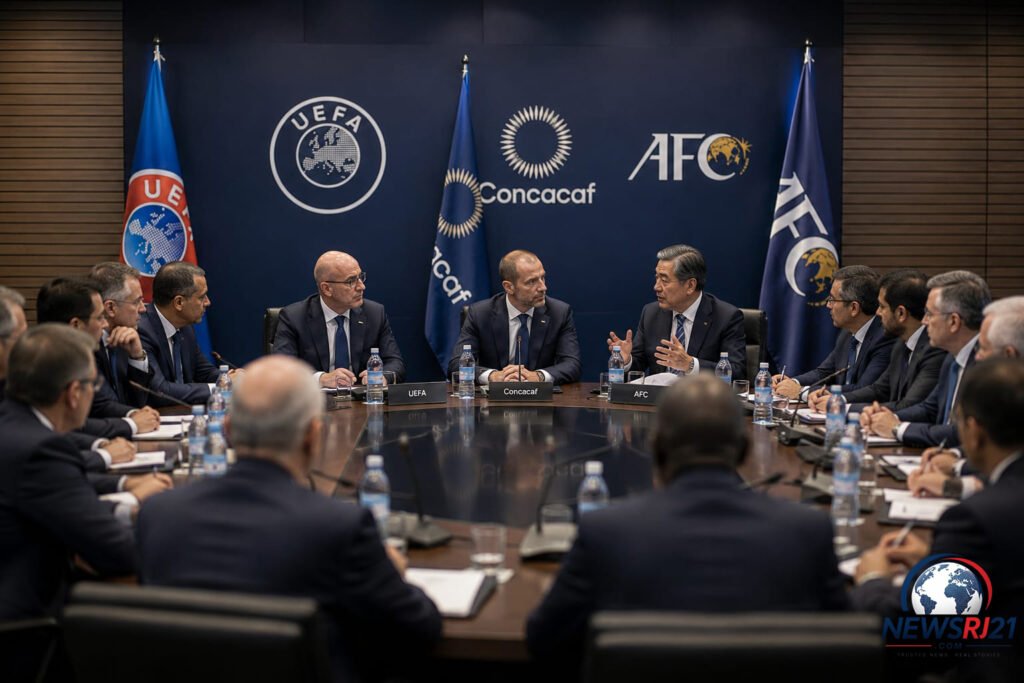
Opposition to the proposal grew rapidly as football organizations questioned both its timing and its potential long-term impact. UEFA was among the first to reject the idea, warning that selling stakes in FIFA’s commercial operations could fundamentally change how the sport is governed. Concacaf and the Asian Football Confederation (AFC) later joined the opposition, creating a united front against the proposal.
Critics argued that such a significant change required broader consultation with member associations before any decision was made. Several football leaders expressed concern that introducing private investment into competitions as important as the World Cup could gradually prioritize commercial interests over the sport’s traditional governance model. FIFA Scraps Controversial World Cup Investment Plan After Global Backlash.
The backlash extended beyond football confederations. Former and current officials also raised questions about transparency, with some describing the proposal as lacking sufficient consultation. The growing criticism placed increasing pressure on FIFA’s leadership as support for the project continued to weaken.
With three major confederations publicly opposing the proposal, it became increasingly difficult for FIFA to secure the votes needed for approval. The coordinated resistance ultimately played a decisive role in the decision to withdraw the plan.
How the Backlash Forced FIFA to Reverse Course
As opposition intensified, FIFA’s proposal became increasingly difficult to defend. What began as a commercial initiative soon evolved into a governance crisis, with influential football confederations, senior officials, and member associations openly questioning both the process and the potential consequences of the plan.
The situation worsened after several high-profile figures publicly criticized the proposal. FIFA adviser Carlos Cordeiro resigned, describing the project as “a bad deal for football,” while reports suggested growing unease within the organization’s own leadership. The criticism reinforced concerns that the proposal lacked the broad consensus expected for a decision of such significance. FIFA Scraps Controversial World Cup Investment Plan After Global Backlash.
With UEFA, Concacaf, and the Asian Football Confederation (AFC) united in opposition, the chances of securing majority support from FIFA’s member associations rapidly diminished. Facing mounting political pressure and the risk of a deeper divide within world football, Gianni Infantino ultimately announced that the proposal would be withdrawn.
The decision marks one of the most significant policy reversals of Infantino’s presidency and highlights the influence football’s governing bodies continue to hold over major reforms affecting the global game.
What Does the Decision Mean for Future World Cups?
With the proposal now withdrawn, FIFA’s flagship tournaments—including the men’s and women’s World Cups—will continue to operate under the organization’s existing commercial and governance structure. The decision removes immediate uncertainty over whether private investors could gain a financial stake in football’s biggest competitions.
For national football associations, the reversal is being viewed as a victory for the current governance model. Many member federations had argued that major decisions affecting the future of the World Cup should be made through broad consultation rather than being driven by commercial considerations.
The outcome is also expected to influence how FIFA approaches future reforms. Any new proposal involving tournament ownership, commercial rights, or revenue distribution is likely to face greater scrutiny and require wider support from confederations before moving forward. FIFA Scraps Controversial World Cup Investment Plan After Global Backlash.
While the immediate controversy has ended, the broader debate over how world football should balance commercial growth with transparent governance is far from over. The events surrounding the proposal are likely to shape discussions within FIFA for years to come.
Pressure Mounts on Gianni Infantino Ahead of FIFA Election
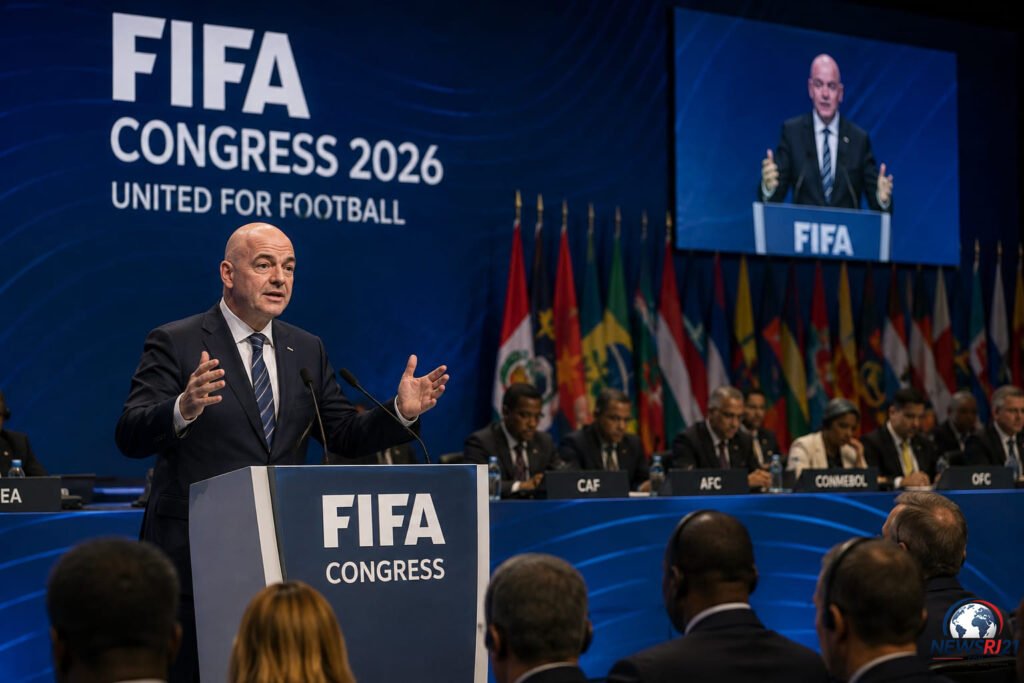
Although FIFA has withdrawn the proposal, the controversy has intensified scrutiny of President Gianni Infantino’s leadership ahead of the organization’s next presidential election. The episode exposed divisions within world football and raised fresh questions about FIFA’s decision-making process, consultation with member associations, and overall governance.
The backlash also led to significant developments inside FIFA. Senior adviser Carlos Cordeiro resigned over the proposal, while other officials publicly questioned how the plan had been handled. Those events added to the perception that the project lacked broad internal support despite its ambitious objectives.
Infantino has since called for unity, saying FIFA’s priority remains strengthening football through cooperation rather than division. However, rebuilding trust among confederations and national associations is expected to be one of his biggest challenges in the months leading up to the FIFA Congress. FIFA Scraps Controversial World Cup Investment Plan After Global Backlash.
Whether the controversy has a lasting impact on Infantino’s leadership remains uncertain. What is clear is that future reforms are likely to face far greater scrutiny, with member associations expected to demand more transparency, wider consultation, and stronger consensus before any major changes are considered.
What’s Next for FIFA?
With the investment proposal officially withdrawn, FIFA’s immediate focus is expected to shift toward rebuilding trust with its member associations and restoring unity ahead of the next FIFA Congress. The governing body has indicated that it will continue discussions with confederations and stakeholders, emphasizing collaboration over confrontation as it considers future reforms.
The episode has also highlighted the importance of transparency in football governance. Many national associations are now expected to seek greater involvement in major commercial and structural decisions, ensuring that future proposals are backed by broader consultation before they reach the voting stage.
Attention will also remain on FIFA’s leadership in the months ahead. As preparations continue for upcoming international tournaments, including future World Cups, the organization faces the challenge of balancing commercial growth with the interests of players, fans, and football associations around the world. FIFA Scraps Controversial World Cup Investment Plan After Global Backlash.
While the immediate controversy has ended, the debate over how global football should be governed is likely to continue. How FIFA responds to the concerns raised during this episode could play a significant role in shaping the organization’s direction for years to come.
Frequently Asked Questions (FAQs)
Why did FIFA cancel the World Cup investment plan?
FIFA withdrew the proposal after facing strong opposition from several major football confederations, including UEFA, Concacaf, and the Asian Football Confederation (AFC). Critics argued that the plan required broader consultation and raised concerns about governance and the role of private investors in football.
What was Gianni Infantino’s investment proposal?
The proposal aimed to create a new commercial subsidiary that would manage FIFA’s major tournaments, allowing outside investors to purchase minority, non-controlling stakes. FIFA said the initiative would generate additional revenue to support football development worldwide.
Why did UEFA oppose the proposal?
UEFA believed the plan could change the governance of world football and reduce the influence of member associations over major competitions. It also argued that such a significant decision should only move forward after extensive consultation with all stakeholders.
Will the World Cup be affected by FIFA’s decision?
No. The withdrawal of the proposal means FIFA’s existing structure for organizing and managing the men’s and women’s World Cups will remain unchanged, with no private investment introduced under the scrapped plan. FIFA Scraps Controversial World Cup Investment Plan After Global Backlash.
What happens next for Gianni Infantino?
Infantino is expected to focus on rebuilding trust within the global football community as he prepares for the next FIFA presidential election. The controversy has increased scrutiny of FIFA’s governance, making transparency and consultation key issues for future reforms.
Explore More
- US Launches Massive Airstrikes on Iran
- Commonwealth Games 2026
- Zinedine Zidane Officially Confirmed as France Head Coach
Refrences
- FIFA scraps controversial $20 billion World Cup investment plan
- FIFA President Gianni Infantino scraps controversial World Cup investment plan